Flat roofs have a particular character in Essex. You see them on modern extensions tucked behind Victorian terraces in Colchester, on bungalows in Leigh-on-Sea where owners want a clean parapet line, and on commercial units running along the A127 that need reliable, low-maintenance coverage. When a flat roof performs well, you don’t notice it. When it fails, you notice quickly: damp patches at the ceiling edges, blistered paint, water marks curling around downlights. Picking the right system and the right installer is the difference between twenty quiet years and emergency calls on a windy February night.
I’ve specified and overseen flat roof projects across the county for homeowners, landlords, and small businesses. The choices are better than they were twenty years ago, but so is the spread in quality. This guide walks through the decisions that matter, the pitfalls that cost money, and the checks that keep you out of trouble. If you’re comparing options for flat roofing in Essex or planning flat roof repair in Essex after a leak, a clear framework helps you move from guesswork to a sensible, long-lasting plan.
What “flat” really means and why that matters
A flat roof isn’t truly flat. It needs fall — a gentle slope to move water to a gutter or internal outlet. British practice targets around 1:40 as a designed fall to achieve 1:80 on site after tolerances. If your roof holds water like a dinner plate, it’s either missing fall or has sagged. Ponding doesn’t always cause leaks immediately, but it accelerates deterioration and highlights design shortcuts.
Fall can be built in several ways. On new builds or extensions, tapered insulation boards create slope while boosting thermal performance. On refurbishments, you can use firring strips to tilt new decking or install a liquid-applied system that can tolerate and shed water with thoughtful detailing. Essex has plenty of 1960s and 70s roofs with minimal falls and undersized outlets; when these get recovered without addressing geometry, leaks often return within a few winters. If you only remember one design rule, make it this: give water a simple way off the roof.
The big material families: how they behave in the real world
The roofing industry offers an alphabet soup of systems. Each has strengths, weaknesses, and quirks during installation. The right choice depends on your building’s shape, your budget, and how much disruption you can tolerate.
Bituminous felt (SBS or APP modified). The modern version of “felt” is nothing like the old pour-and-roll grandmother of flat roofing. High-quality torch-on membranes, often in three layers with a mineral cap sheet, remain a dependable, cost-effective option. They handle foot traffic better than most and are forgiving around awkward upstands. Heat is part of the process, which raises fire risk, especially near timber fascias or skylights. A responsible installer will use heat shields and switch to self-adhesive or cold-applied detailing where appropriate. Expect lifespans of 20–25 years if installed and maintained properly.
Single-ply membranes (EPDM, TPO, PVC). EPDM is the standout for domestic work in Essex because it comes in large sheets that minimise seams. It’s stable under UV, neat-looking, and quick to install without flames. On large sheets, wind uplift and perimeter detailing need proper design — flimsy edge trims are a hidden failure point. PVC and TPO are common on commercial roofs, heat-welded at seams, with robust manufacturer support. Single-ply can scuff if used as a terrace without protection. A well-installed EPDM roof can hit 25–30 years with little fuss.
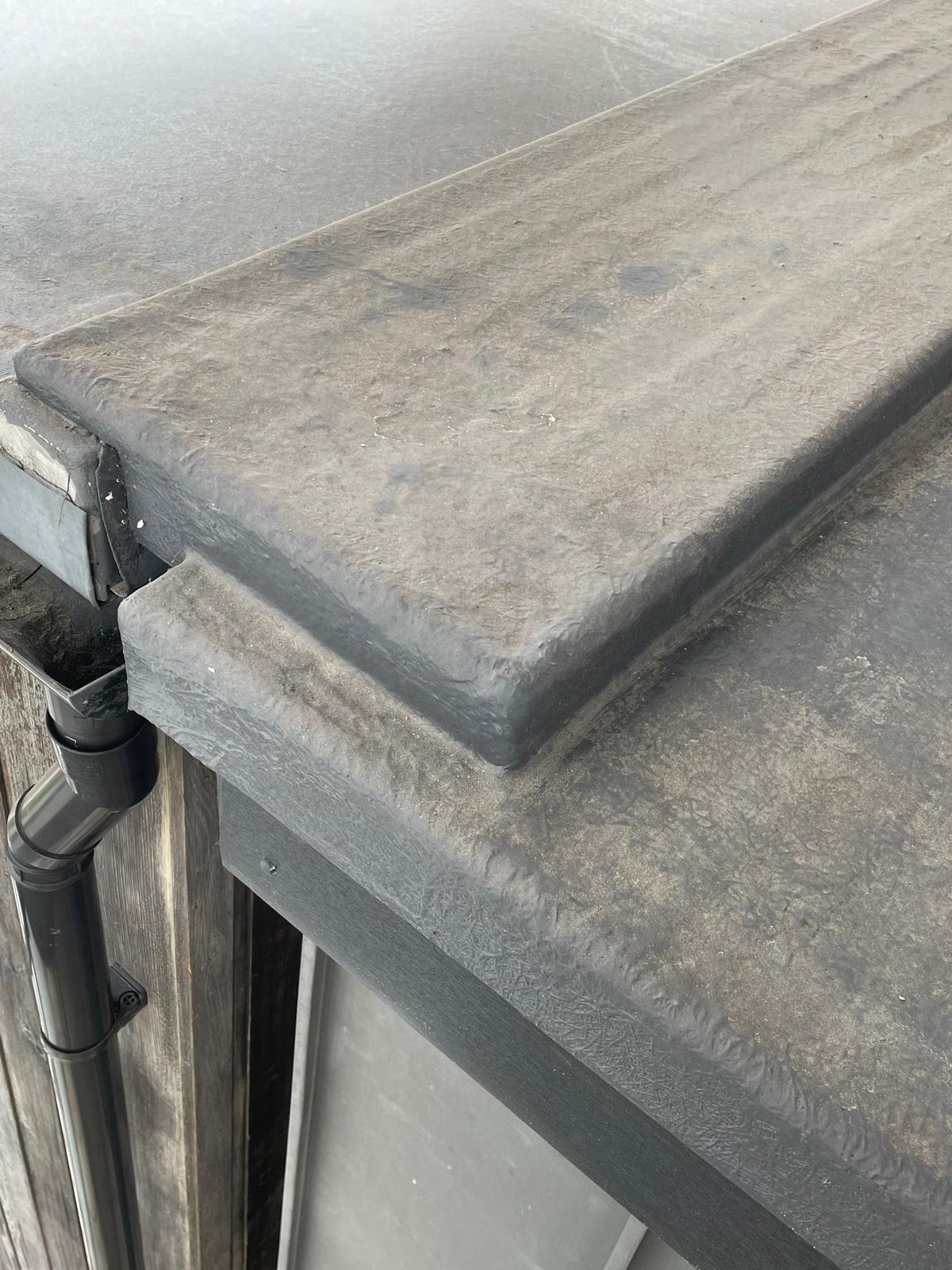
Liquid-applied systems (PU, PMMA, hybrid). Liquids shine on complex roofs with lots of penetrations: dormer clusters, plant stands, handrail posts. They form a seamless, fully bonded membrane with excellent detail around awkward shapes. Installation is sensitive to weather and requires substrate moisture checks. Premium PMMA systems cure rapidly even in colder months, which matters when you’re aiming to dry-in between showers in Basildon in November. Longevity sits in the 20–25 year bracket, with the bonus of easy future overlay if maintained.
GRP/fibreglass. Glass-reinforced polyester creates a rigid, attractive finish popular on small domestic roofs. It needs a dry, temperate window to lay correctly; cold snaps or direct summer sun can cause pinholes or resin cure issues. Movements at junctions can print through over time, so expansion breaks and trim design are critical. Still, on compact roofs with simple details and good craftsmanship, GRP can be a smart, crisp-looking choice.
Green roofs and warm roofs. “Warm roof” describes the insulation strategy: insulation above the structural deck, membrane above insulation, keeping the deck warm and reducing condensation risk. Most modern flat roofs should be warm roofs unless architectural constraints dictate otherwise. Add a green roof and you’ve created an “extensive” system with shallow planting for biodiversity and stormwater control. Several Essex councils look favorably on green roofs for planning, especially on urban infill. They add weight and need careful build-up, but they protect the membrane and add thermal stability.
No single material wins every brief. On domestic re-roofing in Essex, budget often leads to bituminous or EPDM; tricky geometry pushes you toward liquids; a desire for sharp edges and trim aesthetics may bring GRP into play. For commercial units, single-ply or built-up bituminous systems dominate due to scale, warranty options, and ease of repair.
Insulation, condensation, and Building Regulations
Thermal performance is not optional. Part L of the Building Regulations requires specific U-values for roof refurbishments where more than 50 percent of the surface is replaced. In practice, this pushes most projects toward a warm roof build-up with 100–150 mm of PIR insulation to hit around 0.18–0.20 W/m²K, depending on the roof structure and product used. If you try to re-use a cold roof with insulation below the deck and minimal ventilation, you’re inviting condensation. I’ve lifted felt on a chilly morning in Billericay and found beads of water dripping off the underside of the deck because the void had no cross-ventilation and the vapour control layer was more hope than reality.
A warm roof uses a vapour control layer over the deck, insulation above, then the membrane. All layers are bonded or mechanically fixed so moist indoor air can’t reach a cold surface and condense. If headroom at thresholds is tight — common on older patio doors where even 50 mm of extra build-up would foul the door — you need a strategy: drop where possible, trim upstands, or specify higher-performance insulation like PIR/PUR with better lambda values. Don’t fudge this detail. Thresholds and upstands are where most Essex flat roofs show their leaks.
Detailing that separates good from mediocre
Most leaks aren’t in the middle of a roof. They happen at edges, terminations, and penetrations. You can judge a roofer by their detailing tolerance and their patience.
Upstand height. Aim for 150 mm minimum above finished roof level at abutments, parapets, and door thresholds. I know, that’s not always easy with older masonry or when matching existing flashing lines. The right answer is to adjust the build-up or modify the opening, not to accept a 60 mm upstand that becomes a water splash zone in a heavy Essex downpour.
Edge trims and terminations. On EPDM, flimsy plastic trims flex and crack. Aluminium kerb and drip trims stay true. On bituminous or liquid systems, check for metal edge plates properly fixed and dressed, not mastic bodges. A tidy drip edge into the gutter stops water creeping back.
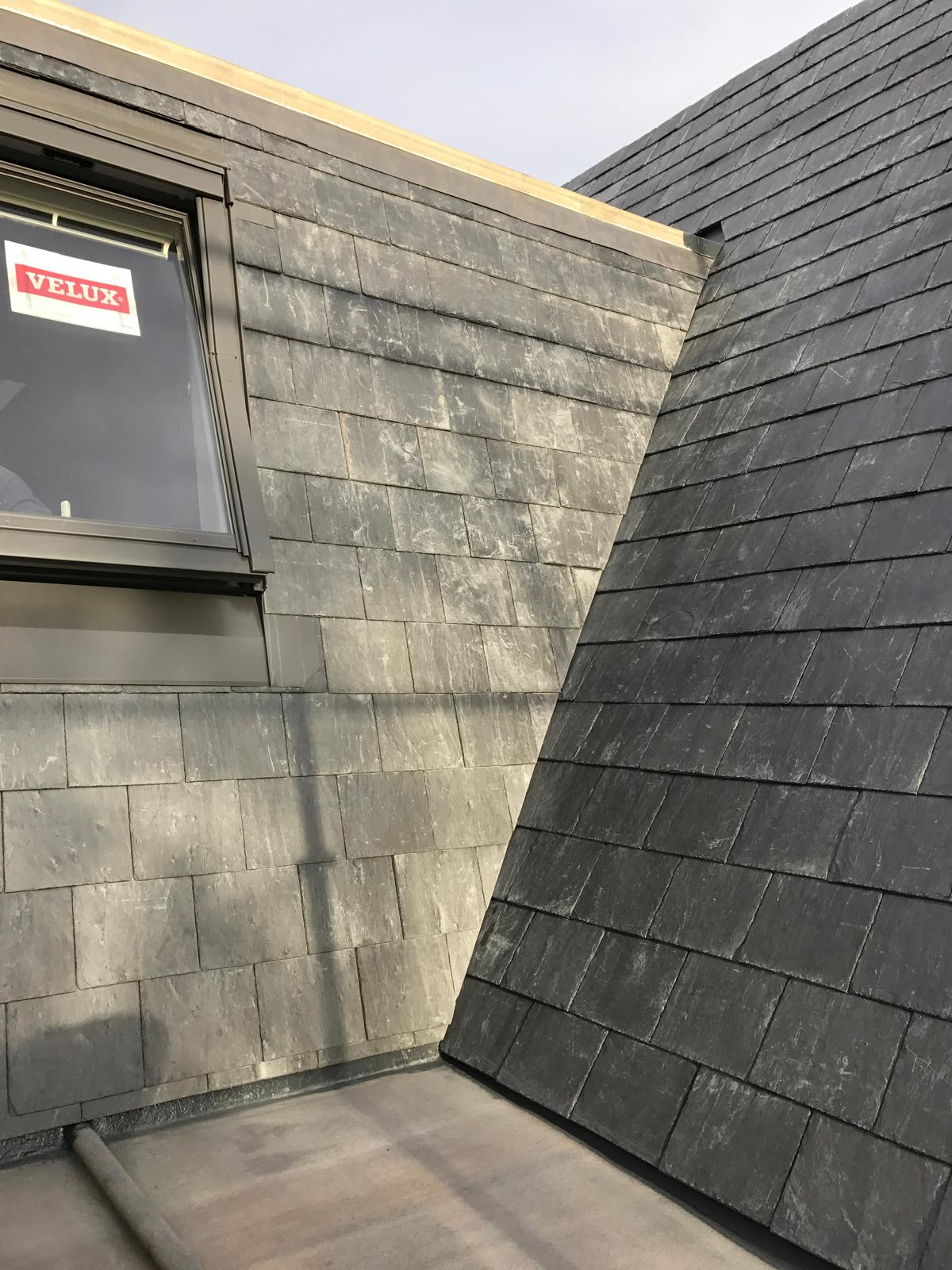
Rooflights and lanterns. Preformed upstands that integrate with the roofing system remove a lot of headaches. Where you’re marrying to a timber kerb, ensure the membrane is fully wrapped and reinforced at internal corners, and that the kerb height respects that 150 mm rule. On lantern retrofits in Leigh-on-Sea extensions, rushed carpentry around the kerb is a common leak source, not the membrane itself.
Penetrations. Soil pipes, cable conduits, vent cowls — each needs a proprietary collar or a field-formed sleeve with a reinforcement patch. Anything that moves should have space and flexible detail. I’ve seen a satellite installer punch a hole through a brand-new single-ply roof for a mast and “seal” it with silicone. That roof lasted ten days.
Outlets and overflow. One well-sized outlet beats two tiny ones. Fit leaf guards, set overflows slightly higher than outlets, and ensure the falls lead to them. Internal outlets need mechanical clamping collars; a glued outlet into a pool of water is a short story with a bad ending.
Weather and timing in Essex
Roofing lives and dies by weather windows. Essex is relatively dry compared to the national average, but we still get long spells of wind and intermittent rain, particularly from October through March. Torch-on felt needs a dry deck. EPDM and most cold-applied adhesives don’t like temperatures below about 5°C. PMMA liquids can cure in colder conditions, which is M.W BEAL & SON Roofing Contractors - Roofers in Essex M.W Beal and Son Roofing Contractors roofing companies essex why winter projects often favour them despite higher material costs.
Don’t put a brand-new roof under a pile of brand-new gravel or paving on the same day. Membranes benefit from a complete, careful cure — and installers do better work when not racing a thundercloud. On a modest 25 m² extension in Chelmsford, a tidy EPDM job with insulation and plywood overlay can be completed in two dry days; a bituminous build-up might need three, especially if complex detailing slows torch time.
Repair or replace: reading what the roof is telling you
Flat roof repair in Essex can be sensible when the membrane is generally sound and the leak is localized, or when budget timing is tight and you need a year or two before a full replacement. Patching over blisters on an aged mineral felt roof buys time, but it’s triage. Water trapped under felt can migrate; you’ll fix one spot and another pops up after the next temperature swing.
When the deck is rotten — you can feel a spring underfoot or see screws pulling through — repairs are a false economy. Soft spots often sit near gutters where standing water found a path into fixings. Lift a square meter; if the OSB crumbles at the edges or the joist tops are black and spongy, replacement is the responsible call. I’ve walked roofs where the membrane looked fair, but every step told a different story. Trust the substrate, not the surface.
Overlaying is a middle path. If the existing roof is dry, well-adhered, and structurally sound, you can overlay with a compatible system after priming, adding insulation, and correcting falls. This avoids the mess and disruption of a full strip. Overlay warranties are common, but they depend on the condition beneath; no reputable installer will guarantee an overlay on a soggy sponge.
Cost ranges you can actually use
Prices vary with access, complexity, and chosen system, but typical Essex domestic projects land in these ranges for roofs between 20 and 60 m²:
- EPDM warm roof with PIR insulation: roughly £110–£160 per m², including trims, outlets, and a basic lantern kerb integration. Bituminous three-layer warm roof: roughly £120–£170 per m², rising where fire precautions slow work or where tapered insulation is needed. Liquid-applied warm roof: roughly £140–£190 per m², depending on primer needs and complexity of penetrations. GRP on small domestic roofs: roughly £120–£170 per m², with careful allowance for weather windows.
Tapered insulation adds cost that scales with thickness; expect £25–£45 per m² extra where you need to build falls across larger spans. Rooflights, parapet details, and handrail post penetrations are priced individually because they drive labour more than area. For a straight repair — replacing a failed outlet detail or patching a seam — you’ll often see half-day rates in the £250–£400 range, plus materials and access.
If a quote undercuts reputable ranges by a third, ask what’s missing: insulation thickness, vapour control layer, edge metals, or waste disposal. Cheap felt with too much torch and not enough layer count will look fine on day one. It’s years two and three that tell the story.
Choosing an installer in Essex that you won’t regret
Materials are only half the equation. The craft and discipline of the crew on your roof determine performance. Essex has excellent firms and a few chancers. You can tell them apart with simple checks.
- Ask which specific manufacturer system they’re installing, and whether they’re approved by that manufacturer. Direct warranties are worth more than a business-card guarantee. Request addresses of jobs from two or three years ago that you can drive past. See how the edges have held up, whether trims line straight, whether algae streaking suggests ponding. Check insurance: public liability and, if they have employees, employer’s liability. Ask for a copy — professionals won’t hesitate. Look for a scoped quote, not a one-line price. It should spell out insulation thickness, upstand heights, outlets and overflow strategy, vapour control layer, and any allowance for plywood or OSB overlay. Clarify access and protection. Ladders may be fine for a single-storey, but scaffold or a tower is safer on awkward elevations. Ask how they’ll protect gardens, glazed lanterns, and neighbouring properties.
Plan around your household. If you’re reroofing a kitchen extension in January, you want a team that explains how they’ll keep you watertight between days, not one that strips at 2 p.m. because the morning was spent collecting materials.
Common Essex-specific quirks and how to handle them
Clay parapets on older terraces. The parapet coping stones along streets in Westcliff or Wivenhoe often hide hairline cracks. Water slips in, freezes, and pries joints apart. When renewing the roof, re-bed or replace copings and add a proper DPC or a membrane upstand chase with a good reglet. If you skip the coping, the best membrane in the world won’t save the internal wall.
Seafront exposure. In Southend and along the estuary, salt-laden winds punish cheap trims and fixings. Stainless steel or coated aluminium fixings are worth the marginal uplift. Pay attention to perimeter securement on single-ply; wind scouring around parapet corners is a real thing on exposed roofs.
Low thresholds on 1990s extensions. Builders often set door thresholds at or near deck level. When upgrading to a warm roof, you lose 100–150 mm unless you alter the opening. Consider switching doors, cutting down a lintel, or using thinner high-performance insulation with careful condensation calculation. Don’t accept a 50 mm upstand band-aid.
Dormer clusters. Loft conversions sprinkled across Brentwood and Chelmsford have flat-topped dormers with tight corners. Liquids make neat work here, but if you stick with felt, ask about corner gussets and reinforcement patches. Metal leadwork above needs the same attention; if the roofer only handles the flat, coordinate the join with the leadworker.
Internal box gutters. Victorian stock sometimes hides narrow timber-lined box gutters behind parapets, later wrapped in felt. When these rot, water tracks into brickwork and shows up as mysterious damp halfway down a party wall. Rebuilding the box with ply, creating proper falls, and using a robust membrane with clamped outlets solves years of ghost-chasing.
Maintenance that actually prevents problems
Flat roofs don’t need weekly fussing, but they do respond well to occasional, thoughtful care. An annual check each autumn pays back. Clear leaves from outlets before storm season. Look for displaced trims after a gale, minor scuffs where a tradesperson dragged a ladder, or algae lines that suggest ponding. Keep a short photo record — four corners and an overview each year — so you can spot changes.
If you host other trades on the roof, brief them. Ask solar installers to use ballast trays or proprietary mounts compatible with the membrane rather than puncturing at will. Air conditioning contractors should coordinate any new penetrations with your roofer. A five-minute conversation saves a five-hundred-pound callout.
When you see something, address it early. A blister the size of a dinner plate on a felt roof can be cut, dried, and patched neatly. Leave it a season, and water will travel, and the patch becomes a larger, messier job. For single-ply, use repair materials from the same membrane family; generic solvent and a patch from a different brand can create a brittle joint that fails at the first freeze.
How warranties work and what they’re good for
Warranties range from a contractor’s one-year workmanship promise to 10–25 year insurance-backed or manufacturer-backed cover. Read what’s actually insured. A “product warranty” may replace a defective roll of membrane but not the labour to remove and reinstall it. A “system warranty” in the manufacturer’s name that includes labour is more valuable. Many require the installer to be trained and the job to be registered with the manufacturer for inspection or photo sign-off. Ask to see that registration.
Insurance-backed guarantees (IBG) add a safety net if the contractor ceases trading. They’re not free; a small line item typically covers it. Given how many small firms fold or rebrand over a decade, an IBG is sensible on anything beyond a minor repair.
Don’t void your warranty by drilling holes for a pergola six months later. If you plan to add kit, get the roofer back to detail it properly. A good firm would rather do an hour’s work now than argue over a claim later.
A practical path to making your choice
The fastest route to a sound outcome is methodical, not flashy. Start with the roof’s condition: photograph what you can, including any ponding, cracks, or damp internally. Bring in two or three reputable installers for site visits, not just quotes from drawings. Ask each to propose a build-up, confirm compliance with Part L, and provide detail sketches for edges and outlets. If their answers diverge, that’s your prompt to ask why — maybe your falls are marginal, or your thresholds force a different approach.
Then weigh trade-offs: EPDM might be cheapest and quickest on an uncomplicated rectangle; a liquid could make light work of all those pipes; bituminous could give you the best wear surface if you’ll be accessing the roof often. If a service void or ceiling makes a warm roof awkward, be honest about risk and mitigation. Spending an extra day correcting falls or raising a kerb is cheaper than years of drip-stain repairs.
Once you select a route, lock down the scope in writing: insulation type and thickness, vapour control layer spec, membrane brand and model, edge metals, outlet type, number of overflows, treatment of parapets, and any allowance for rotten decking. Agree on weather contingencies. Good contractors will show you a sequence, protect what they strip, and leave you watertight each evening.
When speed matters: emergency flat roof repair in Essex
Storms do not book appointments. If you wake to water on the kitchen floor, temporary measures count. A competent roofer can trace a likely source quickly: failed outlet seal, lifted flashing at an upstand, seam split. They’ll dry and patch with compatible materials or install a temporary liquid patch even in marginal weather, then schedule a proper repair when conditions permit. Expect to pay a callout rate; the value is in quick containment. Don’t be shy about asking whether the temporary patch is compatible with your likely long-term system — you don’t want a short-term mastic that creates adhesion problems later.
If the roof is near end-of-life, consider whether that emergency spend is better rolled into a planned replacement. I’ve had clients in Romford rope in three small repairs over two winters and then decide to replace; the combined cost of the patches would have covered tapered insulation that solved the underlying ponding in the first place.
Final thoughts from the scaffold
Flat roofs reward clear thinking and careful hands. Essex offers enough variety — from salty seafront to leafy suburbs — that copying a neighbour’s choice isn’t a guarantee of success. Focus on falls, upstand heights, compatible layers, and the installer’s discipline. Make sure your build-up satisfies thermal rules without painting you into a threshold corner. Demand detail on outlets and edges. The system you select is important, but the way it’s executed is decisive.
If you approach flat roofing in Essex with those priorities, whether you land on EPDM for a crisp extension, a robust felt build-up for a busy terrace, or a liquid for a dormer maze, you’ll have a quiet, dry roof that does its job without drama — and that’s the highest compliment a flat roof can earn.